My first bread lame lasted way longer than it should have. I kept using it after it started dragging through the dough instead of cutting clean, and for months I blamed my shaping or my hydration percentage, anything but the blade sitting dull in my hand.
Once I replaced it and started paying attention to the angle I was holding it at, the ears on my loaves changed completely. This is the actual sourdough ear scoring method I use now: the blade, the angle, and why I score off to the side instead of straight down the middle.
Why the Angle of the Cut Changes Everything
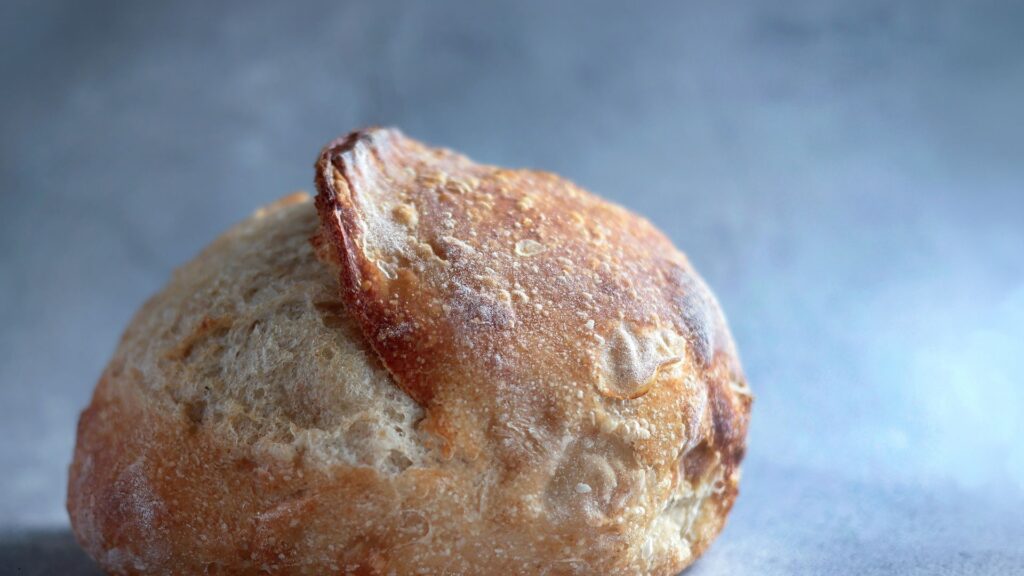
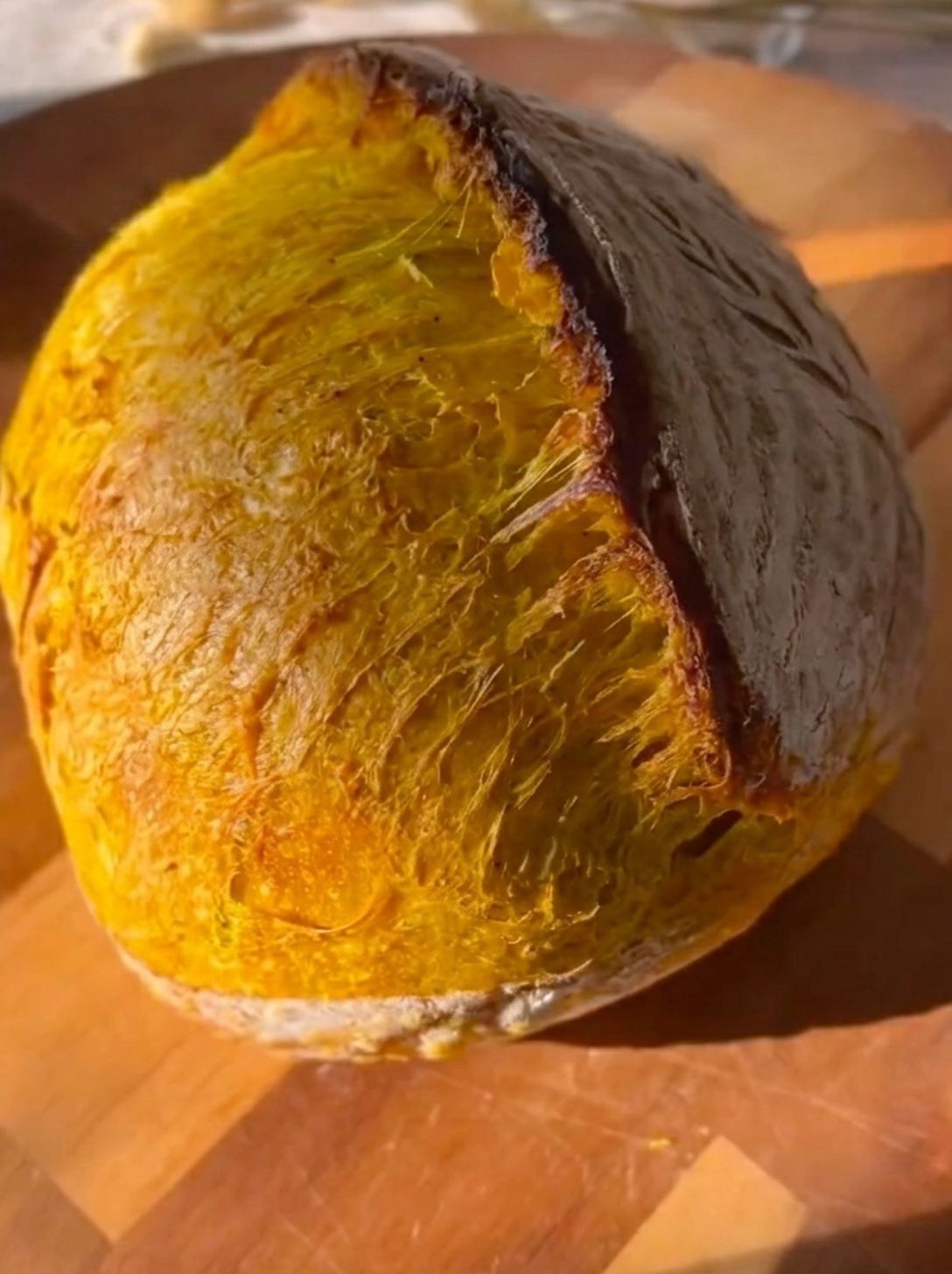
An ear is the flap of crust that curls up and peels back on top of a loaf. It's not just decoration, it's a sign the bread had room to expand exactly where you wanted it to.
The angle you hold the blade at decides whether you get that flap or just a plain split. Cut straight down into the dough and it tends to pop open flat. Hold the blade almost flat against the surface instead, closer to parallel than perpendicular, and you create a thin flap with somewhere to go. As the loaf hits its oven spring, the heat pushes that flap upward and it curls into the ear.
Check Your Blade First
Before you touch the dough, look at your blade. I learned this one the hard way. Mine had gone dull and kept dragging instead of slicing clean through the surface, and no amount of careful angling fixes a blade that's catching instead of cutting.
I score with a plain razor blade and swap it out often rather than trying to stretch one out over too many bakes. I go over the exact blade and a few other tools I actually reach for on my baking tools page. Dipping the blade in water right before you cut also helps it glide instead of drag.
If your blade is dragging, tearing, or catching at all, that's your answer. Replace it before troubleshooting anything else.
How I Actually Make the Cut
- Score cold. Dough straight out of an overnight cold proof holds its shape and is far more forgiving to cut into than dough at room temperature.
- Hold the blade at a shallow angle, almost flat against the surface of the dough rather than pointing straight down.
- Make one confident, continuous cut from one end of the loaf to the other. Don't stop halfway or go back over it. Hesitating is what drags the blade and tears the surface.
- Aim for about half a centimeter to a centimeter deep. Enough for the dough to have somewhere to expand, not so deep that you deflate it.
- Get it into the oven right away. The dough starts relaxing the moment it's scored, so don't stand around admiring your work.
Why I Score Off-Center Instead of Down the Middle
I could score straight down the center every time. Plenty of bakers do exactly that. I just prefer scoring slightly off to one side. It keeps tension on one side of the loaf while letting the other side unfurl more dramatically, which is where a bigger, more sculptural ear tends to come from.
This is one way to do it, not the only way. A center score works perfectly well too if that's the look you're after.
Mistakes That Flatten a Good Score
- Scoring slowly or hesitantly. It drags the blade and tears the surface instead of cutting clean.
- Cutting straight down instead of at an angle. You'll usually get a flat split instead of a lifted ear.
- Scoring too shallow. The cut can seal before the crust sets, and the loaf finds another place to burst instead.
- Reaching for a dull blade or a knife. Both tend to drag no matter how careful you are.
One Cut Won't Save a Bad Bake
A good angle helps, but it's not the whole story. Fermentation, shaping, and heat all have to be doing their job too. The cut on its own can't produce a big dramatic bloom.
If your loaf doesn't open up the way you pictured, it's still bread you made with your own hands. That's worth celebrating no matter how the ear turned out.
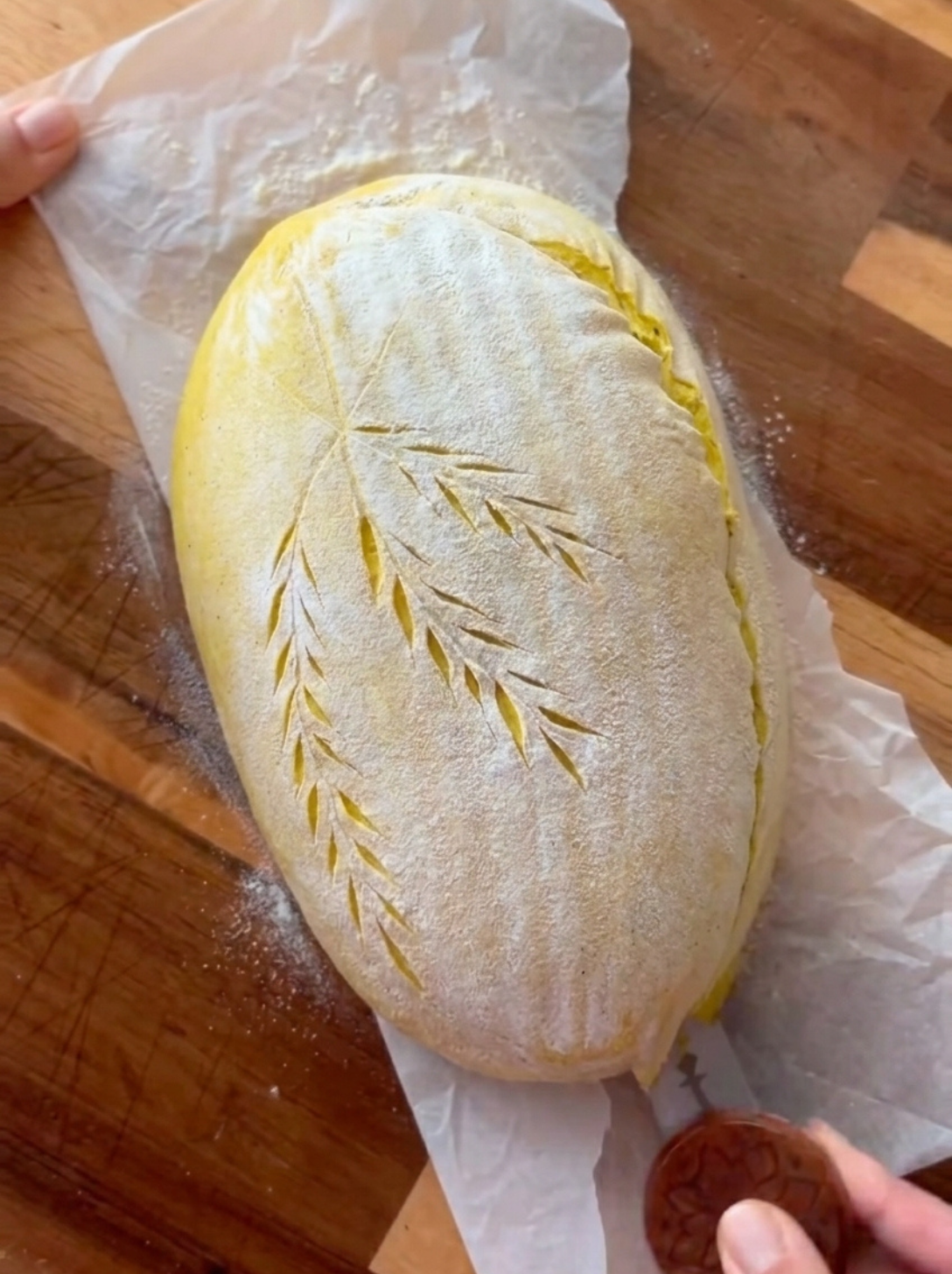
Back to topTry it on your next bake, even just one loaf. Score off to one side, hold that blade almost flat, and tell me how your ear turns out. Once this feels natural, the wheat-stalk pattern is a fun next layer to add on top.
See the Wheat-Stalk Pattern