People ask me all the time what they need to get started with sourdough. My answer usually surprises them: not much. A bowl, flour, water, salt, and a starter will get you a real loaf.
But there's a small group of sourdough baking tools that made the whole process a lot smoother once I started using them, and enough of you have asked what's in my kitchen that I finally sat down and put the full list together. Nothing here is required on day one. Consider it the stuff that turned "figuring it out" into enjoying the process.
This post contains affiliate links. If you buy through them, I may earn a small commission at no extra cost to you. I only recommend tools I use myself or would genuinely reach for.
In this guide
You don't need any of this to bake your first loaf. Use a mixing bowl you already own, score with a butter knife, and bake in whatever oven-safe pot has a lid. Upgrade as you go, not before you start.
The Sourdough Baking Tools I Use Most
Here's the full breakdown, one tool at a time, with why each one earns its spot in my kitchen.
Digital Kitchen Scale
Every recipe on this blog is written in grams, not cups. Sourdough is sensitive to hydration, and a 10-gram difference in water can change how a dough feels and behaves from the first mix. Out of everything on this list, a scale that reads down to 1 gram is the closest thing to a real requirement. It's inexpensive, and it's worth getting right before anything else.
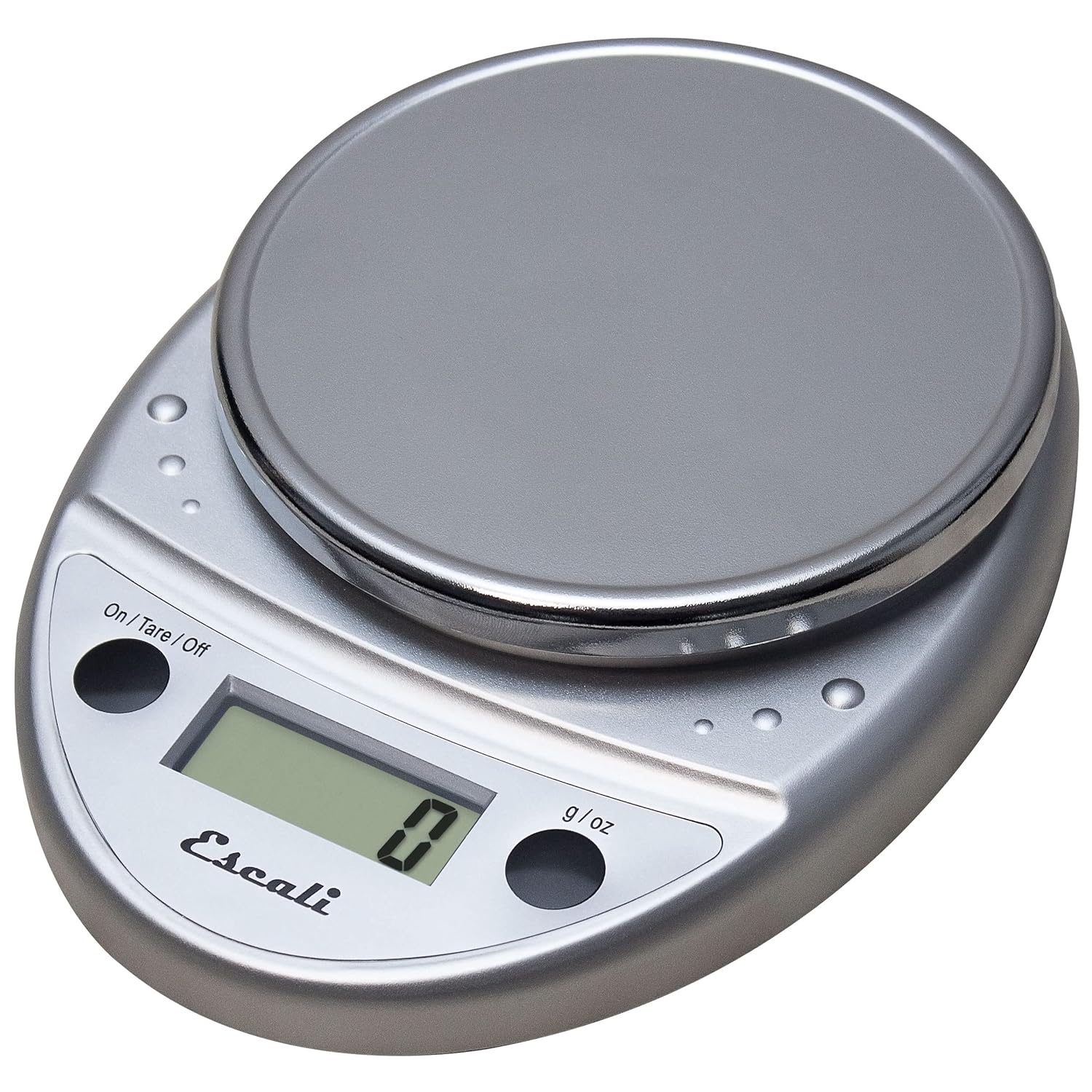
Digital Food Scale
The one I use daily for every bake on this blog. Simple, accurate, and it's the tool that makes grams-based recipes reliable.
Check it out →Mixing Bowl
You want something with enough room for the dough to expand 30 to 70% during bulk fermentation, so don't go too small. If you want extra comfort while mixing and folding one-handed, look for a bowl with a silicone base, it keeps the bowl from sliding around the counter. That said, it's not a dealbreaker. A folded damp cloth under any bowl does the same job for free while you're starting out.
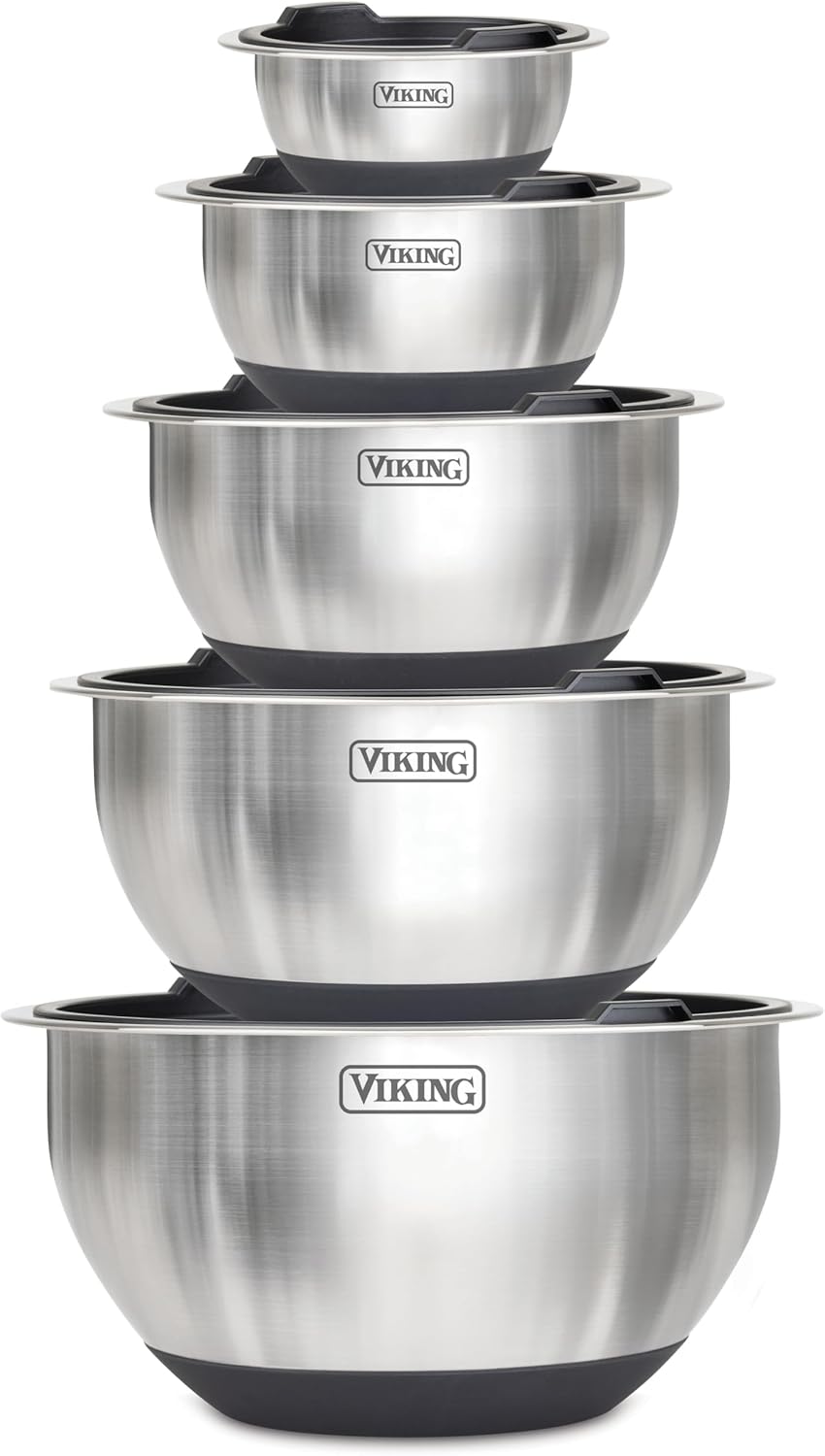
Viking Mixing Bowls Set
This set gives you a few sizes to grow into, so you're not stuck rebuying bowls as your bakes get bigger.
Check it out →Bench Scraper
This is the tool I reach for constantly without really thinking about it. It divides dough, scrapes the counter clean between steps, and helps you handle high-hydration dough that wants to stick to everything, including your hands. Look for one with a metal edge for cutting and a flexible plastic side for scooping, it covers both jobs.
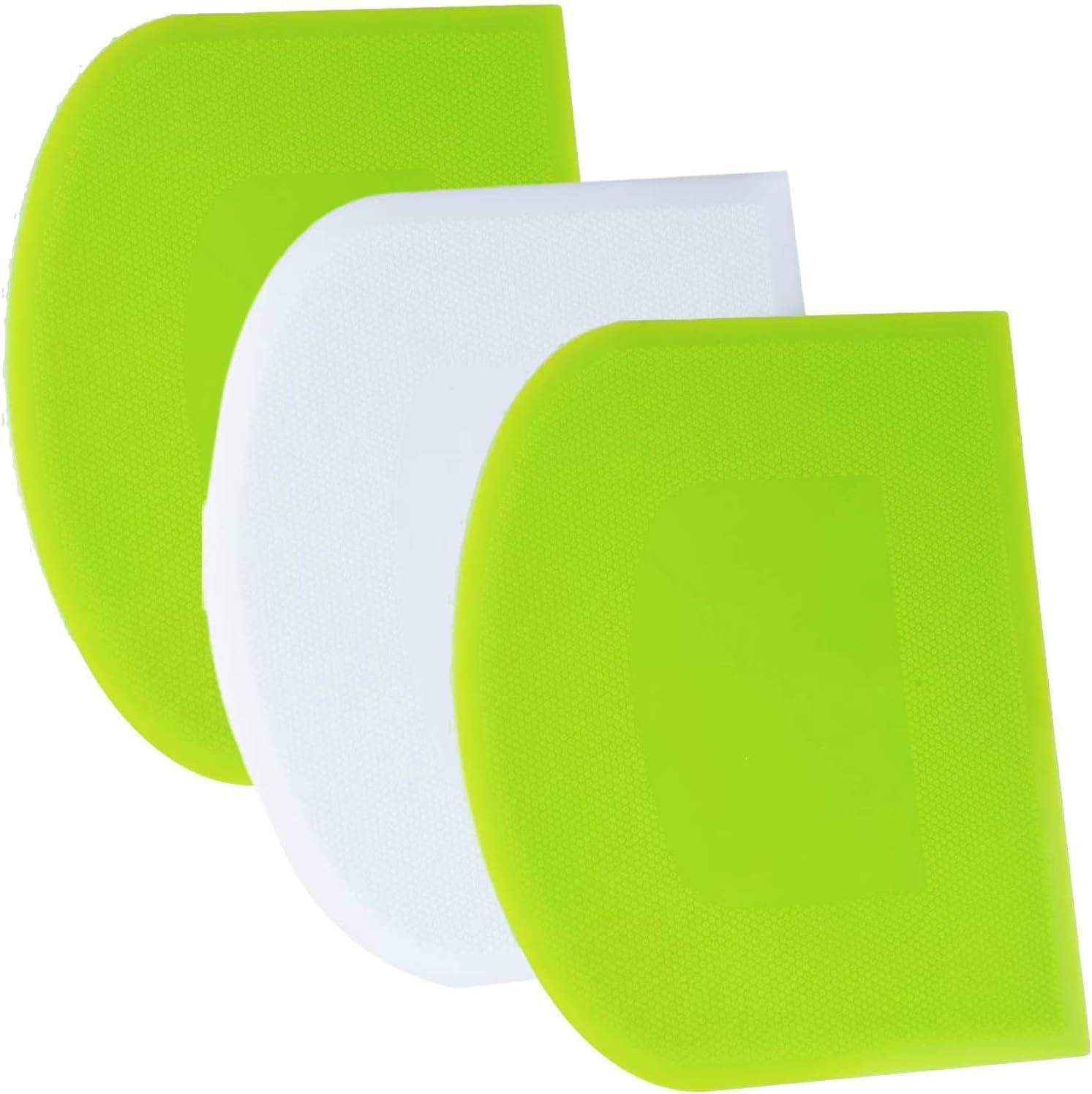
Dough Scraper
Small, cheap, and one of the most-used tools in my kitchen. Makes handling sticky dough far less messy.
Check it out →Proofing Basket (Banneton)
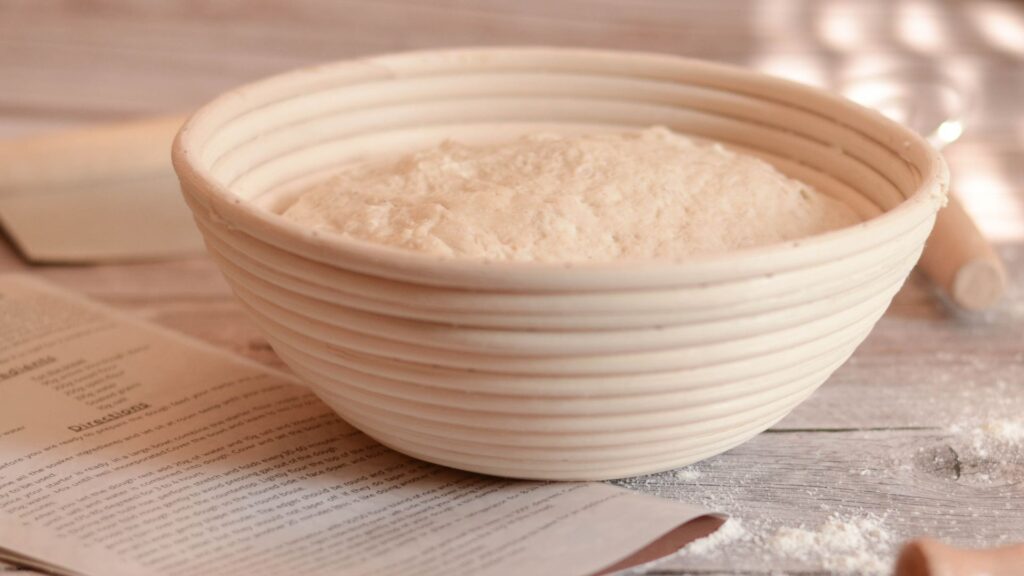
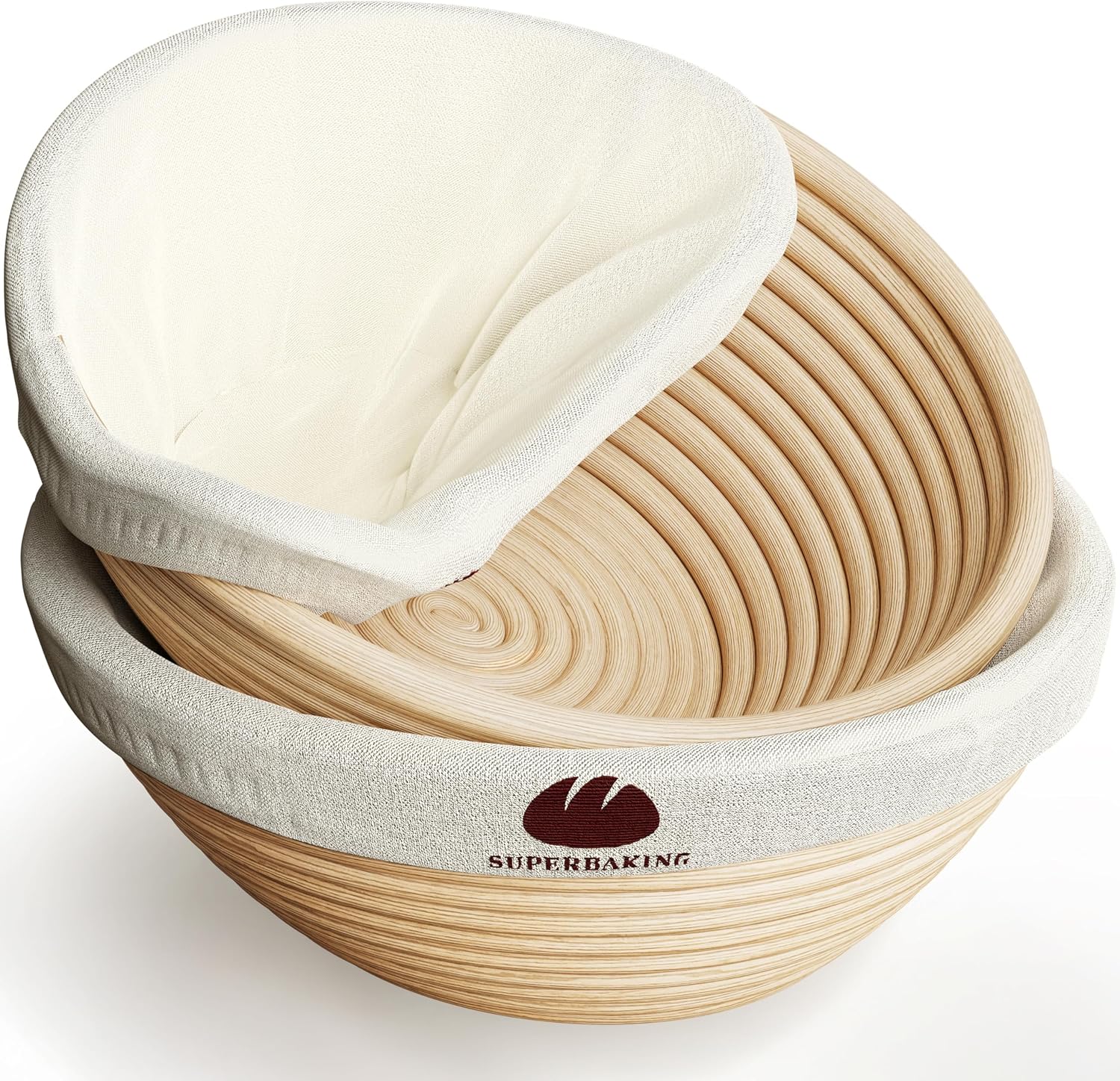
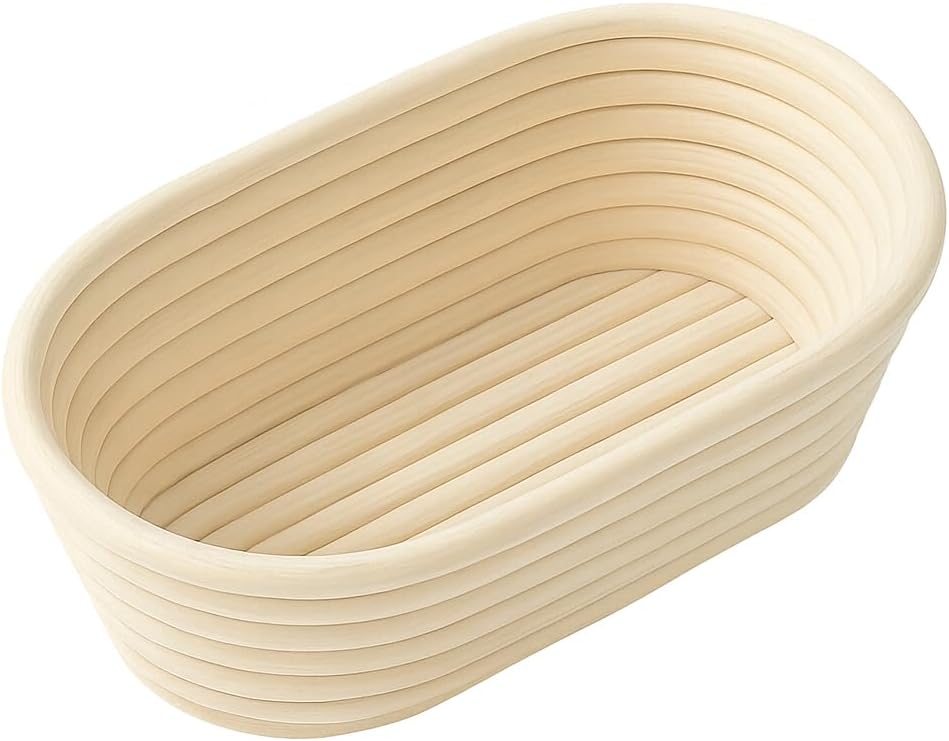
A banneton holds your shaped dough during its final proof and gives the crust that ridged, floured pattern you see on a lot of my loaves. Round baskets are the more common starting point and work for most boule-style bakes. Oval ones suit longer, batard-shaped loaves and sandwich-style bread. Either shape will get you through your first several loaves without any trouble, so pick whichever matches the shape you want to bake first.
Scoring Knife (Lame)
A sharp blade matters more than people expect. A dull one drags through the dough instead of cutting clean, and that dragging flattens your score instead of letting it open up properly in the oven. This is a small, cheap tool, but it's one where sharpness genuinely changes your results.
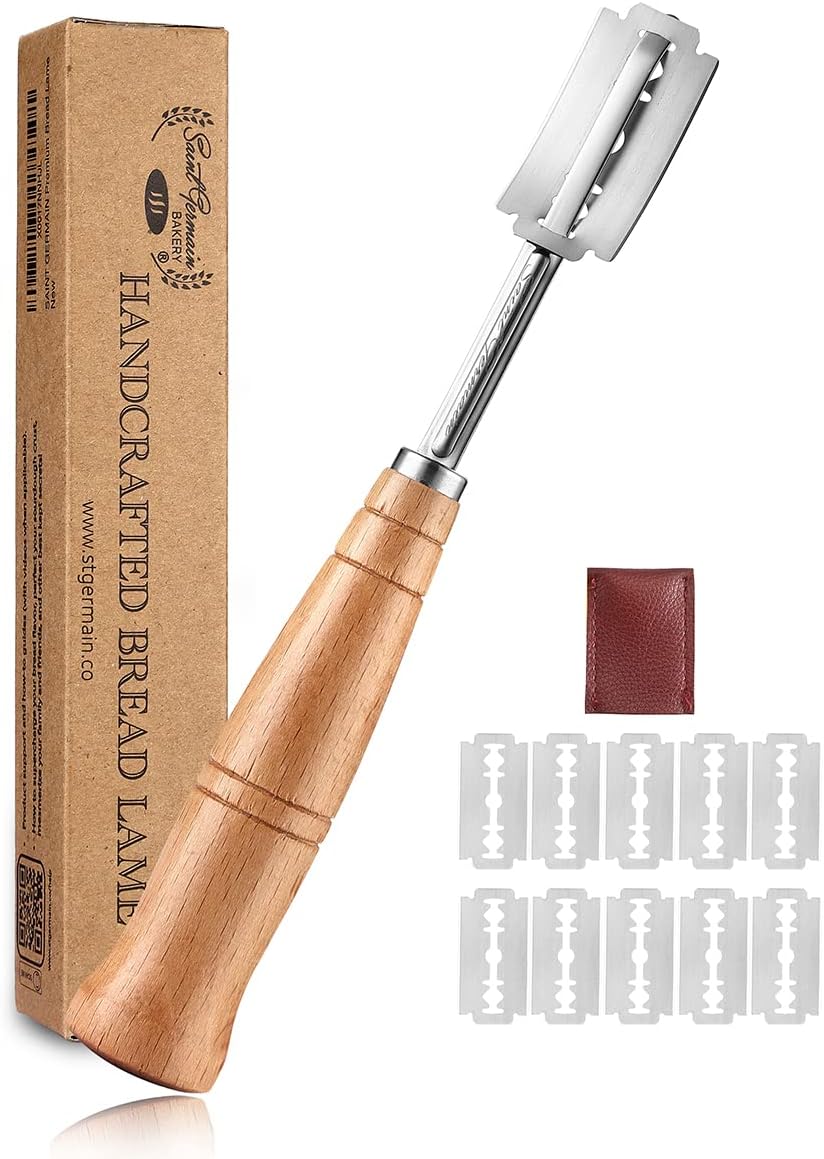
Dough Scoring Knife
Sharp, easy to control, and it holds an edge far longer than a regular kitchen knife or razor blade setup.
Check it out →Cast Iron Dutch Oven
This is the exact one I've used for over two years, and it's still holding up perfectly with basic care. You don't need to spend a lot here. A solid cast iron Dutch oven with a tight-fitting lid traps steam during the first part of the bake, which is what gives sourdough that thin, crackly crust. Mine goes into the oven at 235°C to preheat and does the heavy lifting for almost every loaf I share on this blog, starting with my go-to plain sourdough loaf.
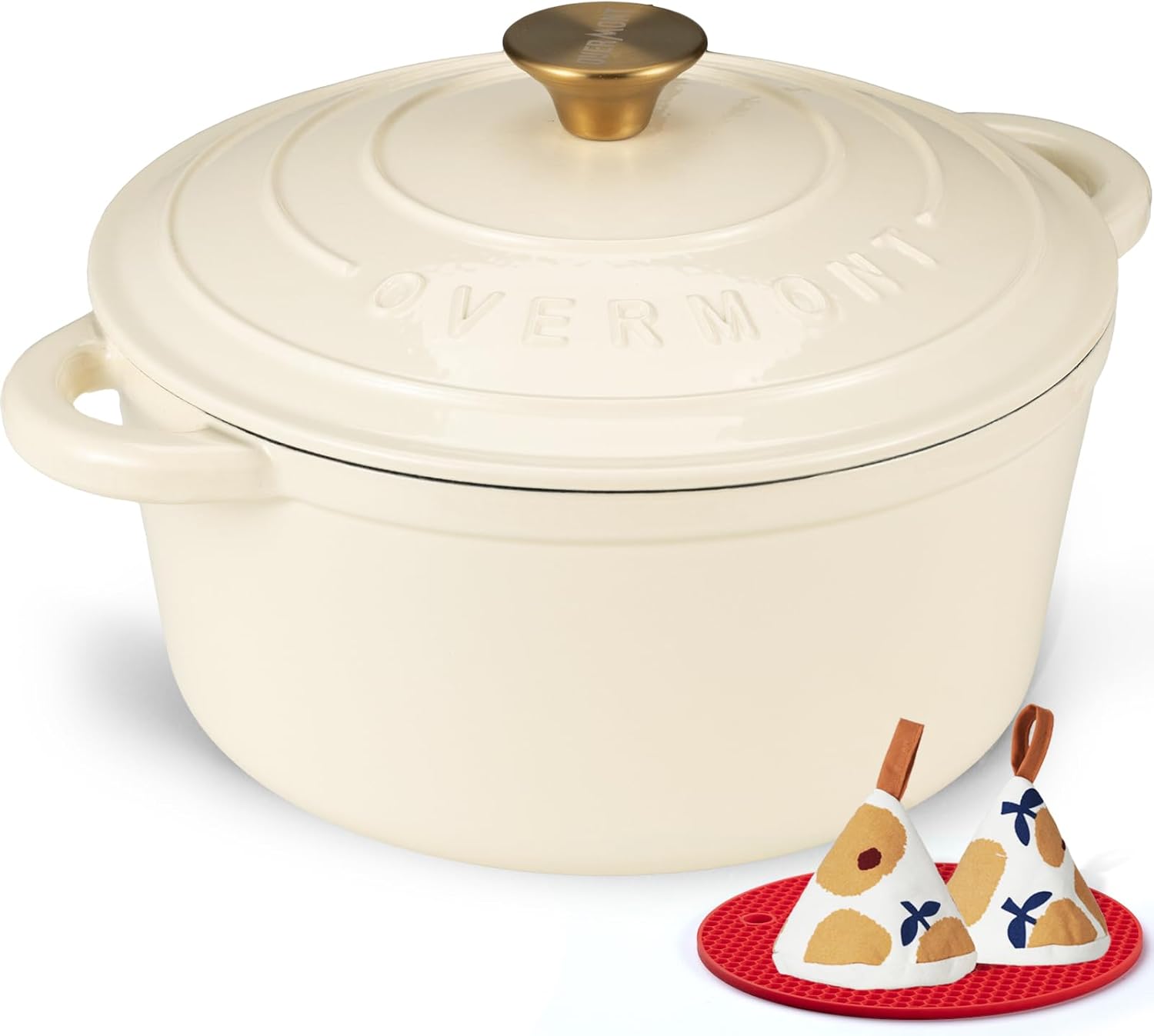
Cast Iron Dutch Oven
Two-plus years in and it still bakes a perfect crust. My most-used piece of equipment, hands down.
Check it out →A Book Worth Having
This one isn't a tool, it's a book, and it's the one I keep going back to once the basics start to click. It gets into the fermentation science behind the "why" in a way a blog post can't always cover, and it's a solid next step once you're comfortable with your first few loaves.
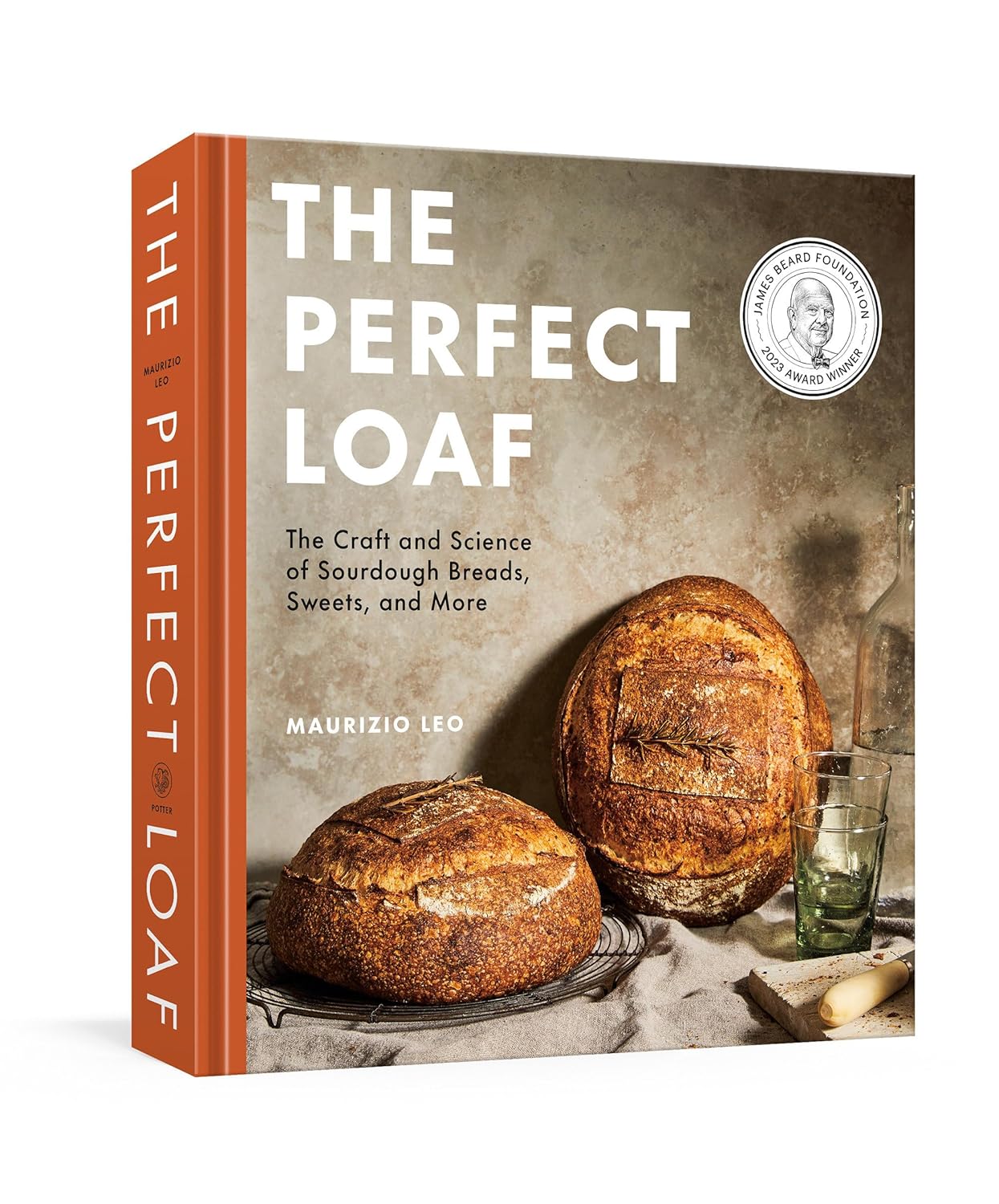
The Perfect Loaf
The book I recommend most when someone wants to understand sourdough, not just follow a recipe.
Check it out →That's the full kit. Most of it is inexpensive, all of it is optional, and none of it replaces practice. The dough teaches you more than any tool ever will.
Back to top ↑Ready to put these tools to use?
Start with my go-to sourdough loaf →